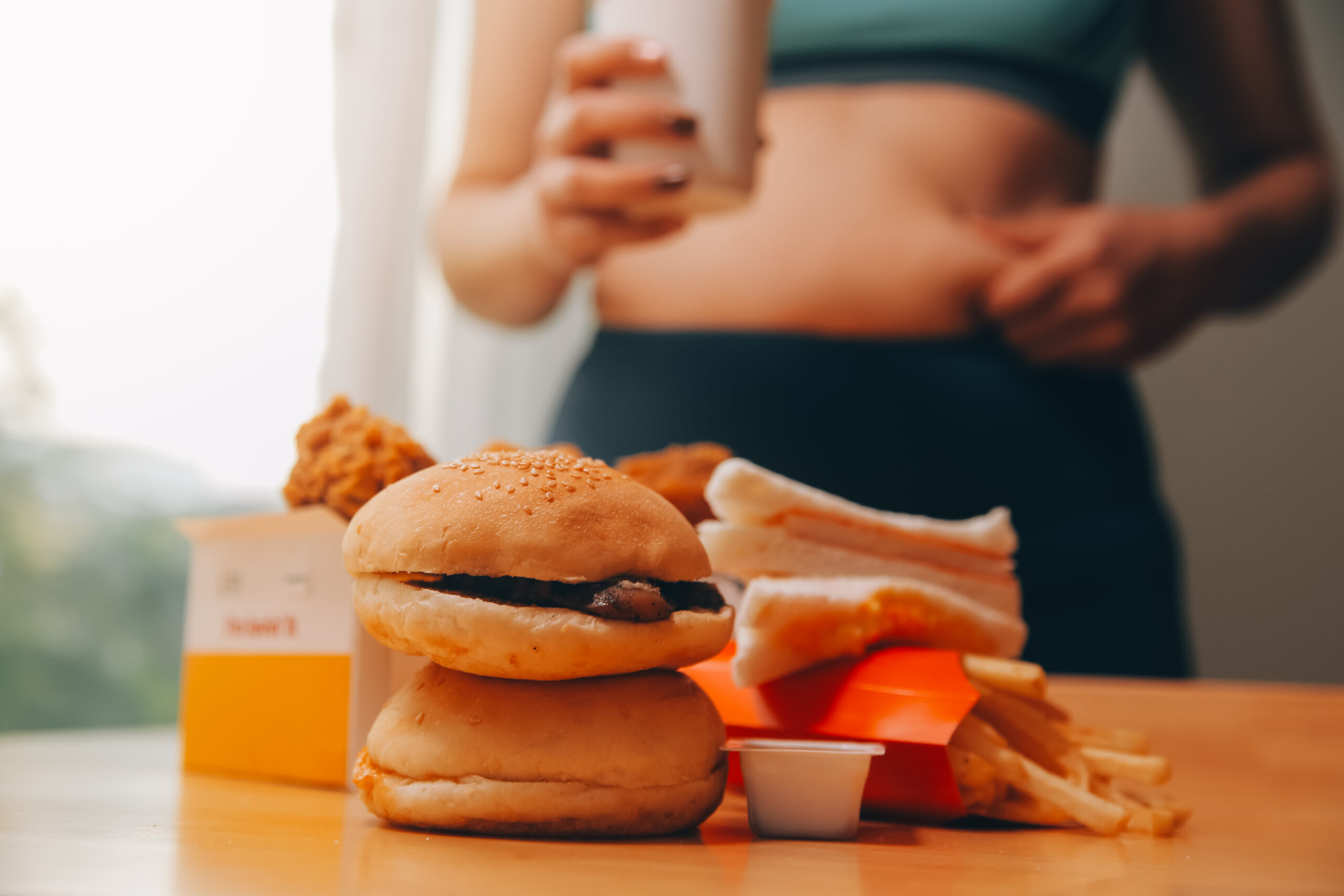
You’ve earned it, right? Six days of kale salads and grilled chicken deserve a reward—like a pizza-and-ice-cream free-for-all. But what if those weekly cheat days aren’t just stalling your progress, but actively derailing it? Let’s dive into the science of why cheat days often backfire and how to enjoy flexibility without guilt or setbacks.
Why Cheat Days Sabotage Your Goals
1. The Calorie Math Doesn’t Lie
A single cheat day can undo a week’s deficit. For example:
If you’re in a 500-calorie daily deficit (3,500 weekly), but binge 4,000 calories on Saturday, you’ve erased your progress and added surplus.
Ultra-processed cheat meals spike hunger hormones (ghrelin), making it harder to get back on track.
2. Metabolic Chaos
Binge eating shocks your system. Research shows excessive sugar/fat intake can:
- Reduce insulin sensitivity for 48+ hours, hindering fat loss.
- Trigger inflammation, slowing recovery and performance.
3. The Binge-Guilt Cycle
Cheat days often lead to:
“Last Supper” Mentality: Overeating because “tomorrow I’m back to restrictions.”
Guilt-Driven Restrictions: Extreme calorie cuts post-cheat, which can tank energy and metabolism.
What to Do Instead: Sustainable Strategies

1. Ditch “Cheat Days” for “Flexible Meals”
The 80/20 Rule: Eat nutrient-dense foods 80% of the time; enjoy treats mindfully 20% of the time.
Example: Have a slice of pizza with a salad instead of a whole pie.
2. Practice Mindful Indulgence
Slow Down: Savor each bite. It takes 20 minutes for your brain to register fullness.
Ask: “Am I eating this because I’m hungry, or because it’s ‘allowed’ today?”
3. Schedule Smaller Treats
Daily “Micro-Indulgences”: A square of dark chocolate, a scoop of premium ice cream, or a glass of wine with dinner.
Benefits: Prevents deprivation-driven binges and keeps cravings in check.
4. Prioritize Protein and Fiber
High-protein, high-fiber meals stabilize blood sugar and reduce cravings.
Try: Greek yogurt with berries instead of sugary cereal.
5. Reframe Your Mindset
No “Good” or “Bad” Foods: Labeling foods as “cheats” fuels guilt. Instead, view food as fuel and joy.
Focus on Progress, Not Perfection: One meal won’t ruin your progress—but consistency matters.
FAQs: Your Cheat Day Questions Answered
Q: Can’t I just burn off cheat day calories with extra cardio?
A: Exercise can’t outrun a bad diet. Overexercising to “fix” a binge often leads to burnout or injury.
Q: What if I have a special event or vacation?
A: Plan ahead! Eat lightly earlier in the day, stay hydrated, and focus on protein/veggies first. Then enjoy your favorites guilt-free.
Q: How do I handle cravings without a cheat day?
A: Satisfy cravings in small doses. Want fries? Share a side. Crave dessert? Opt for a mini-version.
Balance Beats Binging
Cheat days often create a feast-or-famine cycle that harms physical and mental health. Instead of swinging between extremes, build a flexible, joyful relationship with food. By prioritizing nutrient-dense meals and mindful treats, you’ll fuel steady progress without burnout.